Ismail Junior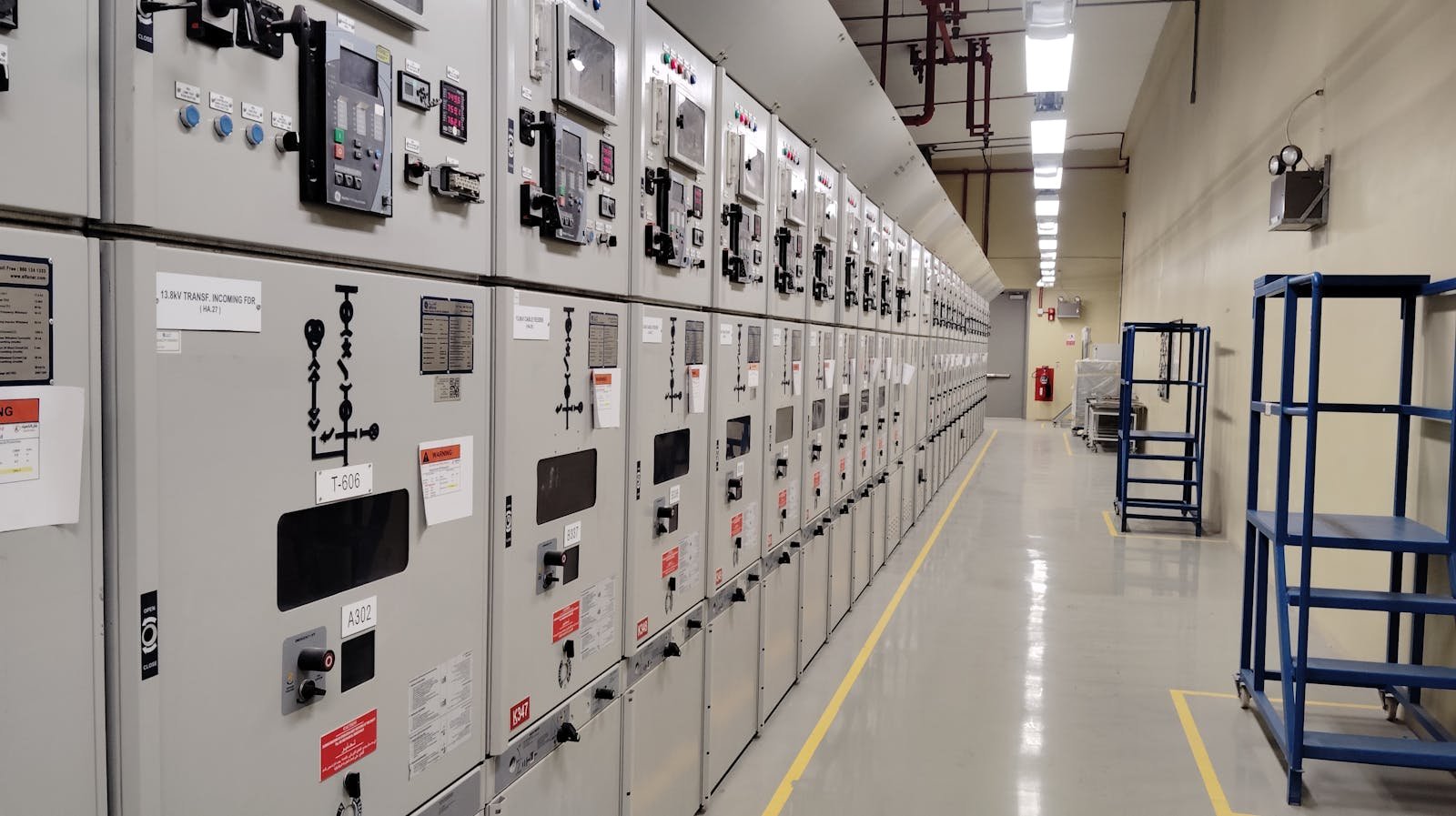
Introduction to Tech Infrastructure
Tech infrastructure refers to the foundational elements that support technology operations within a business. In today’s digital age, having a strong tech infrastructure is critical for organizations seeking to innovate, remain competitive, and achieve operational efficiency. This framework consists of several interrelated components, including hardware, software, networks, and data management systems. Each of these elements plays a crucial role in creating an ecosystem that fosters technological advancement.
Hardware serves as the physical components of a tech infrastructure, encompassing servers, computers, and network devices. These elements are essential for processing, storing, and sharing data. Complementing hardware is software, which includes operating systems, applications, and tools that enable users to perform tasks efficiently. The synergy between hardware and software is vital for maintaining a smooth workflow and ensuring that systems are responsive to the evolving needs of a company.
Networks facilitate communication and resource sharing among devices and users, forming the backbone of tech infrastructure. Robust networking solutions enable organizations to connect securely to the internet, transfer data, and access cloud services. The integration of these networks ensures that information flows seamlessly, enhancing collaboration and enhancing productivity. Additionally, effective data management is crucial for organizing, storing, and protecting business information. As companies accumulate vast amounts of data, efficient management practices become imperative, supporting both operational needs and strategic decision-making.
In summary, a solid tech infrastructure not only enables businesses to function efficiently but also positions them for future growth and innovation. By understanding the components and significance of tech infrastructure, organizations can better leverage these resources to adapt to changing market dynamics, enhancing their overall competitiveness in the technological landscape.
Understanding the Key Components of Tech Infrastructure
Tech infrastructure serves as the backbone of any modern organization, comprising an array of essential components that facilitate seamless functionality and innovation. The primary elements of tech infrastructure can be categorized into hardware, software, and network infrastructure, each playing a pivotal role in the overall ecosystem.
Starting with hardware, this includes physical devices such as servers, storage devices, and networking equipment. Servers act as the central points for data management and processing, enabling organizations to host applications and services. Storage devices, such as hard drives and solid-state drives, provide the necessary capacity for data retention and retrieval, ensuring that information is readily available. Networking equipment, including routers and switches, facilitates communication between devices, fostering connectivity within local area networks (LANs) and beyond.
Next, software constitutes another critical component of tech infrastructure. This encompasses operating systems, applications, and middleware. Operating systems form the foundational layer that manages hardware resources and enables the execution of applications. Applications serve specific business needs, ranging from productivity tools to customer relationship management software. Middleware, on the other hand, acts as a bridge between different software components, ensuring data exchange and communication across various platforms and systems.
Finally, network infrastructure encompasses the connectivity aspect, including local area networks, cloud services, and internet connectivity. Local area networks create a dedicated communication space within a specific location, allowing devices to connect and share resources efficiently. Cloud services extend this capability, offering scalable storage and computing power accessible via the internet. Reliable internet connectivity is crucial, as it ensures uninterrupted access to resources, facilitating both internal operations and external communications.
The synergy among these components forms a robust tech infrastructure, essential for driving performance, efficiency, and innovation in today’s fast-paced digital environment. Understanding these key elements is imperative for organizations aiming to optimize their operations and strive for ongoing success.
Choosing the Right Infrastructure for Your Business Needs
Selecting the appropriate tech infrastructure is a pivotal decision that can influence the operational capabilities and future growth of any organization. The process starts by assessing your specific business needs, which encompasses several critical factors. One of the foremost considerations is the size of your organization. Smaller businesses may have different requirements compared to larger enterprises, necessitating tailored solutions that align with both their current operations and potential expansion.
Another significant aspect involves industry requirements. Different sectors, such as healthcare, finance, and technology, may have unique compliance regulations and operational standards that dictate the choice of infrastructure. Understanding these demands is essential in the decision-making process, as non-compliance can lead to security breaches and legal challenges. Furthermore, the scalability potential of the infrastructure should not be overlooked. Businesses that anticipate rapid growth may prefer flexible solutions that can easily adapt to increasing demands.
Budget constraints also play a vital role in determining which infrastructure type—on-premises, cloud, or hybrid—best suits an organization. On-premises solutions might require higher initial investments in physical assets, whereas cloud solutions often provide cost-effective monthly subscriptions. Hybrid infrastructure can sometimes offer a balance between both, allowing organizations to manage costs while ensuring flexibility and scalability for future growth plans.
Finally, consider your organization’s future growth plans. Will you expand to new markets or introduce additional services? The selected tech infrastructure should support these strategic ambitions. By evaluating all these factors meticulously, organizations can make informed decisions, ensuring that their tech infrastructure effectively supports operational efficiency, compliance, and long-term innovation.
Implementing Tech Infrastructure: Best Practices
Effective implementation of tech infrastructure is pivotal to fostering innovation within any organization. It begins with meticulous planning and design that aligns with the specific needs and goals of the business. A thorough assessment of the current infrastructure, potential bottlenecks, and future growth should be undertaken to create a robust blueprint that accommodates both present and future technological demands.
Budgeting is another critical aspect that cannot be overlooked. Organizations need to allocate sufficient funds for the entire tech infrastructure project, including hardware, software, training, and maintenance. A well-defined budget also helps in anticipating unforeseen expenses and ensures financial resources are effectively utilized during each phase of the implementation. Engaging in a detailed cost-benefit analysis can provide insights into the most cost-effective solutions.
Selecting the right vendors plays a significant role in the implementation process. It is essential to evaluate multiple vendors based on their reputation, service offerings, and previous project experiences. They should be capable of fulfilling the technical requirements and support services necessary for a successful deployment. Establishing clear communication and expectations with vendors helps to streamline the entire project and prevents misunderstandings.
Deployment strategies should be carefully chosen, preferably following a phased implementation approach. This method enables organizations to roll out the infrastructure in manageable segments, mitigating risks that can arise from simultaneous large-scale deployments. Such a staggered approach also allows teams to monitor performance, identify potential issues, and adapt operational processes accordingly.
User training is vital for the success of the newly implemented tech infrastructure. Providing comprehensive training ensures users are equipped to utilize the new systems effectively, minimizing disruptions. Collaboration among teams is essential throughout the implementation phases, fostering a culture of continuous improvement and innovation. By following these best practices, organizations can implement tech infrastructure that not only meets current needs but also positions them favorably for future advancements.
Maintaining and Upgrading Your Tech Infrastructure
Maintaining a robust tech infrastructure is essential for businesses that aim to remain competitive in a rapidly evolving technological landscape. Regular assessments of the existing infrastructure are crucial for identifying potential weaknesses and areas for improvement. This can involve a comprehensive audit of hardware and software systems, where performance metrics, security vulnerabilities, and user experience are evaluated to ensure optimal functionality.
Establishing a monitoring system is another integral part of maintaining tech infrastructure. By utilizing advanced monitoring tools, organizations can track system performance in real-time and swiftly address any issues that may arise. For instance, automated alerts can notify IT teams of unusual activity or declining performance levels, enabling them to take preemptive measures before problems escalate. This proactive approach not only protects the integrity of tech systems but also minimizes downtime, which can significantly impact productivity and revenue.
Furthermore, staying updated with the latest technology advancements is imperative. The tech field is characterized by rapid innovation, and businesses must continually adapt to harness new tools that can enhance their infrastructure. Engaging in regular training and development programs for staff can ensure that employees are informed about the latest technologies and best practices, thereby optimizing the use of existing resources.
When planning upgrades, it is vital to keep future growth in mind. This includes assessing new technologies that can provide a competitive edge as well as enhancing security measures to protect sensitive data from emerging threats. A well-structured upgrade plan should consider scalability, ensuring that the infrastructure can handle increased loads and expanding functionalities without compromising performance. By systematically maintaining and upgrading technology systems, organizations can build a strong foundation capable of supporting ongoing innovation and adaptation to the changing demands of the market.
Security Considerations in Tech Infrastructure
In today’s digital landscape, the security of tech infrastructure is paramount. As organizations increasingly rely on technology, they expose themselves to various security challenges that can threaten sensitive data and operational continuity. Potential vulnerabilities in both hardware and software must be assessed meticulously. Hardware can be compromised through malicious tampering, while software vulnerabilities are often exploited through unpatched systems or weakly designed applications. Thus, continuously updating and auditing both elements is vital to maintaining a secure foundation.
Data protection is a critical component of tech infrastructure security. Organizations must implement robust measures such as encryption to safeguard data both at rest and in transit. Encryption serves as a formidable barrier against unauthorized access, ensuring that even if data is intercepted, it remains unreadable to intruders. Additionally, employing firewalls can effectively monitor incoming and outgoing traffic, providing an essential line of defense against unauthorized access attempts.
Access controls also play a crucial role in securing tech infrastructure. By implementing stringent authentication protocols and limiting access to sensitive systems, organizations can significantly reduce the risk of internal and external threats. Role-based access controls (RBAC) are particularly effective, allowing administrators to assign permissions based on individual roles within the organization, thereby minimizing unnecessary exposure to critical resources.
Moreover, compliance with regulations such as GDPR, HIPAA, or PCI-DSS is not merely a legal obligation but also a critical framework to guide organizations in developing secure tech infrastructures. Adhering to these regulations ensures that organizations are employing security best practices, ultimately helping safeguard against data breaches and cyber threats. By prioritizing security considerations, organizations can cultivate a resilient tech environment that fosters innovation while protecting valuable assets.
The Role of Cloud Computing in Modern Infrastructure
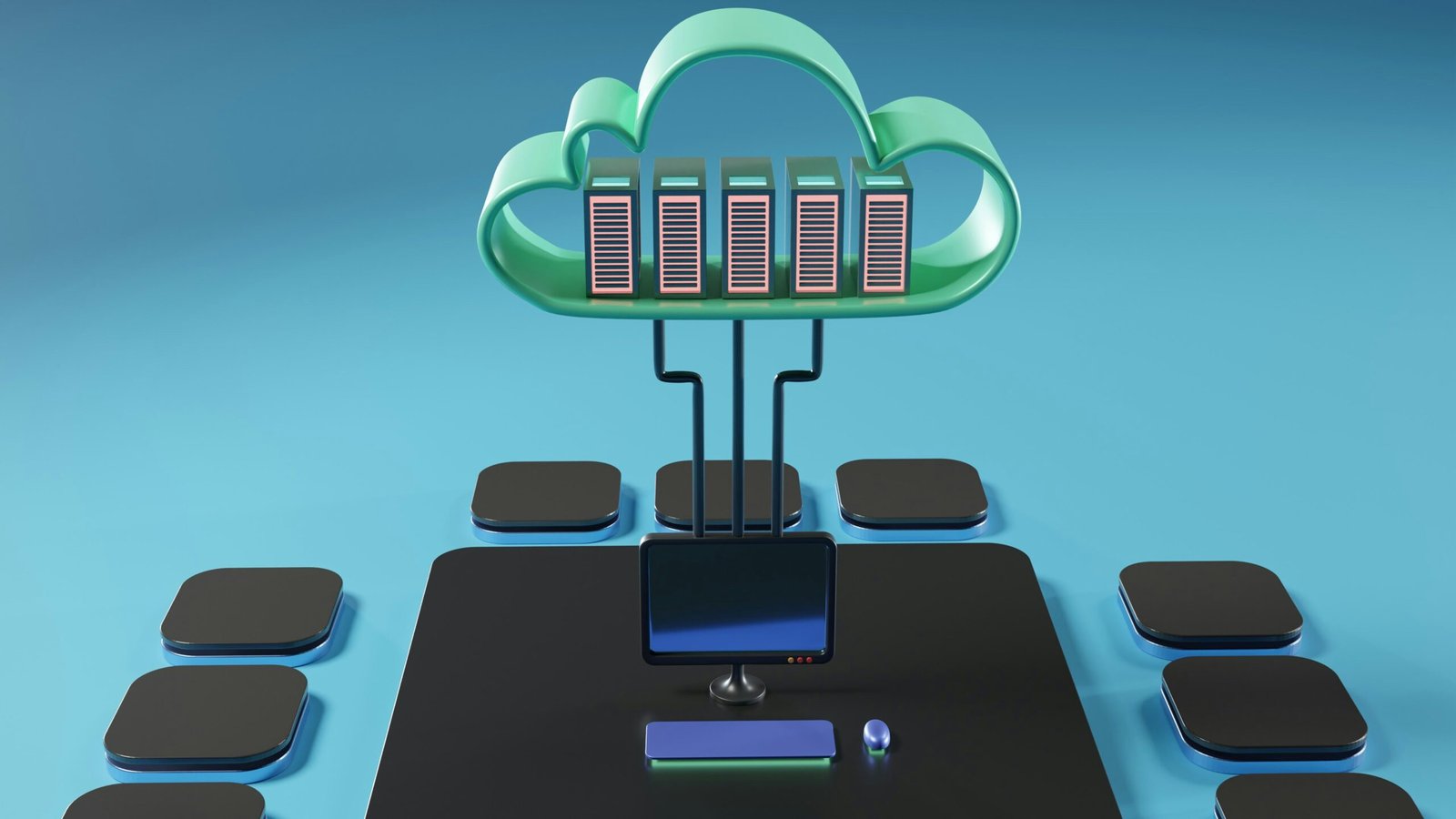
Cloud computing has significantly transformed the landscape of technology infrastructure, providing businesses with a robust foundation to drive innovation. This modern approach to infrastructure offers a range of benefits, making it a preferred choice for organizations seeking to enhance their operational capabilities. One of the key advantages of cloud solutions is their scalability, allowing businesses to effortlessly adjust resources based on demand. This capability not only supports growth but also ensures that companies are not burdened with unnecessary infrastructure expenses during periods of low activity.
Moreover, cost-efficiency is another pivotal factor that makes cloud computing indispensable in contemporary tech frameworks. By adopting cloud services, businesses can minimize capital expenditure on hardware and software, shifting to a pay-as-you-go model. This model empowers organizations to allocate resources more effectively, thereby optimizing overall budget management. Additionally, the flexibility offered by cloud computing enables teams to work remotely and access vital data from various locations, making collaboration seamless and increasing productivity.
Understanding different cloud service models is crucial for businesses looking to leverage cloud computing effectively. Infrastructure as a Service (IaaS) provides virtualized computing resources, allowing companies to scale their IT requirements easily. Platform as a Service (PaaS) facilitates the development and deployment of applications efficiently, while Software as a Service (SaaS) allows users to access software applications over the internet, eliminating the need for extensive installations and updates. By strategically integrating these models, organizations can optimize their infrastructure and improve operational efficiency significantly.
As businesses continue to navigate the complexities of the digital landscape, embracing cloud computing will remain essential in building a strong technological foundation for future innovation.
Future Trends in Tech Infrastructure
The landscape of tech infrastructure is evolving rapidly, driven by advancements in technology and changing business needs. One of the most significant trends includes the integration of artificial intelligence (AI) and machine learning into various aspects of infrastructure management. These technologies enable organizations to automate routine tasks, analyze vast amounts of data efficiently, and predict potential issues before they escalate. By leveraging AI-driven insights, businesses can optimize their infrastructure, reduce downtime, and enhance overall performance.
Another pivotal trend is the rise of edge computing, which emphasizes processing data closer to the source rather than relying solely on centralized cloud services. This shift is particularly meaningful for businesses seeking to improve response times and bandwidth efficiency, especially with the growing number of Internet of Things (IoT) devices. Edge computing facilitates near-real-time data processing, which is critical for applications such as autonomous vehicles, smart cities, and industrial automation, fostering a more resilient and responsive infrastructure.
Furthermore, the convergence of IoT and tech infrastructure is becoming increasingly pronounced. As more devices connect to the internet, the need for robust infrastructure to support these connections becomes paramount. Integration of IoT with infrastructure management not only enhances operational efficiency but also provides organizations with valuable insights into their processes. This can lead to improved decision-making and a proactive approach to maintenance and upgrades.
Additionally, automation is reshaping infrastructure management practices, allowing for more streamlined operations. Automated systems can handle routine monitoring, backups, and updates, significantly reducing the workforce burden and minimizing human error. Businesses that embrace automation will find themselves better positioned to scale their operations while maintaining service quality.
In conclusion, businesses must stay ahead of the curve by embracing these emerging trends in tech infrastructure. By integrating AI, edge computing, and IoT, as well as leveraging automation, organizations can build a resilient foundation for innovation and maintain a competitive edge in an ever-evolving technological landscape.
Conclusion: Building a Resilient Tech Infrastructure
In today’s fast-paced business environment, a resilient tech infrastructure is not merely an operational requirement; it is a strategic asset that can significantly influence a company’s success. Throughout this comprehensive guide, we have explored the various facets of tech infrastructure, highlighting its critical role in fostering innovation and supporting business growth. Key takeaways include the necessity of adopting a flexible architecture, prioritizing security measures, and integrating advanced technologies to keep pace with industry advancements.
Moreover, we have underscored the importance of scalability and adaptability within tech systems. As businesses evolve, their technological frameworks must likewise adapt to meet shifting demands and challenges. This adaptability enables organizations to respond effectively to market changes, customer expectations, and competitive pressures. By viewing tech infrastructure as a vital investment rather than a mere cost center, businesses can strategically align their operations to harness the full potential of emerging technologies.
Furthermore, it is essential for organizations to create a culture that prioritizes proactive assessments of their tech infrastructure. Regular audits and evaluations will not only identify current gaps but also career opportunities for enhancement. Engaging stakeholders in discussions about technology needs and future requirements will be crucial in building a more resilient infrastructure. In this rapidly changing world, where technology underpinning business operations continues to evolve, organizations must remain vigilant and responsive to industry dynamics.
As we conclude this exploration, the call to action is clear: businesses should prioritize reviewing and strengthening their tech infrastructure to ensure they are positioned for long-term success. By embracing a resilient approach, organizations stand to benefit from enhanced operational efficiency, improved collaboration, and ultimately, greater competitive advantage in the marketplace.