Ismail Junior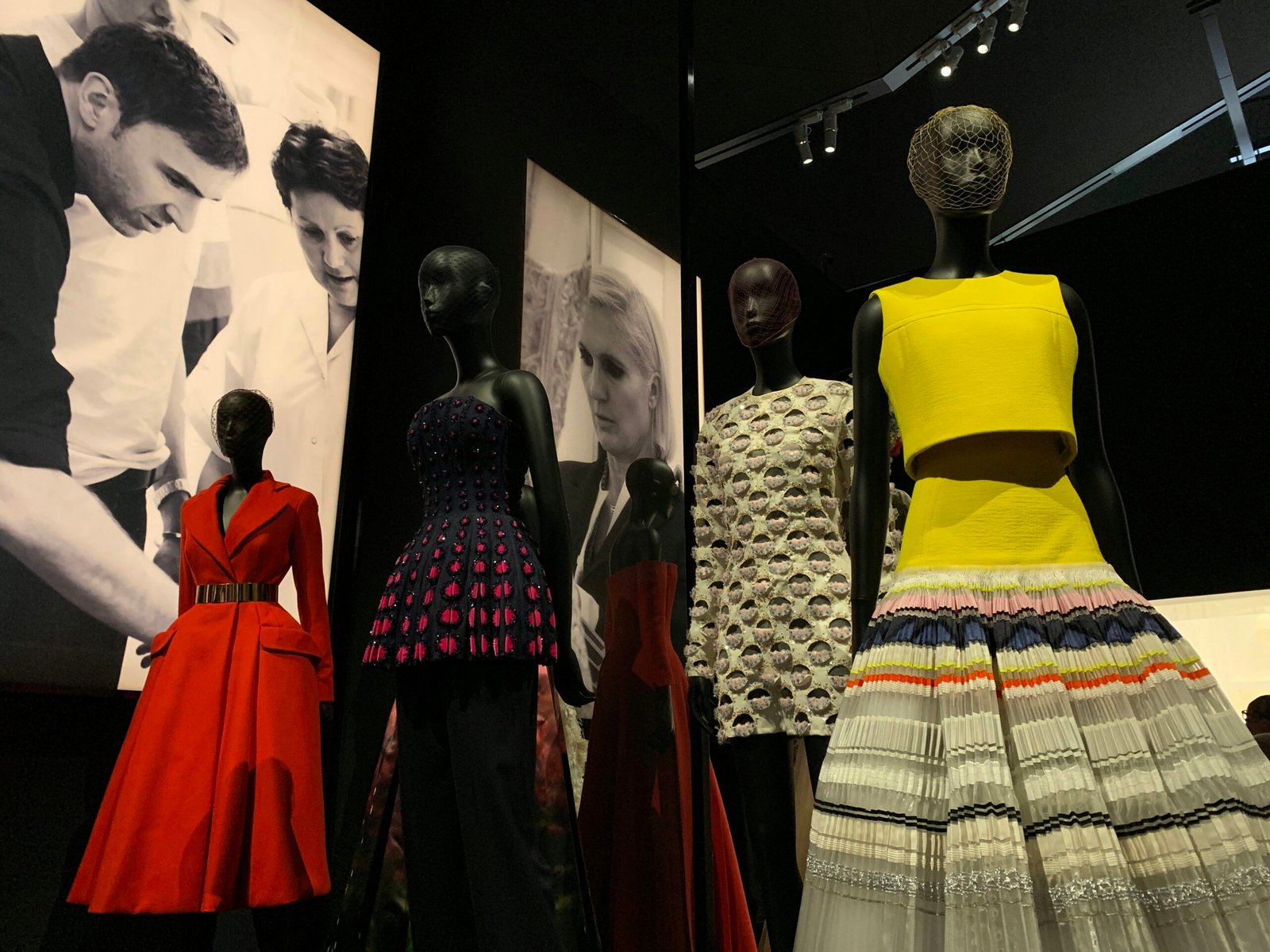
Introduction to the Fashion World
The fashion world is a dynamic and multifaceted domain that serves as a reflection of cultural shifts, societal changes, and individual expression. This vibrant industry encompasses a broad spectrum of styles and trends, often influenced by historical contexts, technological advancements, and evolving consumer preferences. Fashion is not merely about clothing; it embodies identity, creativity, and even activism, allowing individuals to showcase their uniqueness through personal style choices.
The significance of fashion within culture cannot be understated. It acts as a language of its own, communicating socio-economic status, personal values, and cultural heritage. Trends in fashion often mirror the zeitgeist, responding to global issues or shifts in public sentiment. For instance, sustainable fashion has gained prominence as consumers and brands alike recognize the environmental impacts of clothing production. This shift illustrates how fashion can evolve in tandem with societal values, making it an ever-changing landscape.
Dresses, in particular, hold a special place within the fashion industry, encompassing a vast array of types that cater to various occasions and preferences. From casual day dresses to elegant evening gowns, the diversity in dress styles is a testament to the creativity and craftsmanship of fashion designers. Each dress not only serves a functional purpose but also grants wearers an opportunity for self-expression. Throughout this exploration of the fashion world, readers will encounter various dress types and discover reputable brands known for their quality and innovation.
As we delve deeper into this guide, we will uncover the intricate connections between fashion, identity, and artistry, offering insights into the myriad choices available for expressing personal style through dresses and brands. The journey through fashion is not only educational but also inspiring, encouraging individuals to celebrate their individuality through their sartorial choices.
The Evolution of Dresses in Fashion
Throughout history, dresses have served as powerful symbols of cultural identity, social status, and personal expression. The journey of the dress in fashion began thousands of years ago, with ancient civilizations showcasing garments made from natural materials such as wool, linen, and silk. These early iterations reflect a society’s values, as well as its technological advancements in textile production.
As we moved into the Middle Ages, dresses became increasingly elaborate, often signifying the wearer’s rank and wealth. The Victorian era introduced a remarkable transformation, with corsetry and extensive layering that exemplified femininity within strict societal norms. The Industrial Revolution further revolutionized dressmaking through mechanization, allowing for mass production and a diversification of styles that made fashionable attire accessible to a wider audience.
The 20th century marked a significant turning point, as fashion trends began to mirror societal changes. The flapper dresses of the 1920s broke away from previous constraints, embodying a newfound sense of freedom and empowerment for women. Following this decade, World War II brought about a shift towards practicality in fashion, leading to the popularity of simpler, utility dresses. The post-war era saw the re-emergence of femininity, with Christian Dior’s “New Look” celebrating exaggerated silhouettes.
Subsequent decades continued to influence dress design based on cultural movements and technological advancements. The 1960s and 70s ushered in an era of experimentation, with mini dresses and bold prints reflecting the youth culture’s desire for rebellion. By the late 20th century, the democratization of style through fast fashion introduced a rapid cycle of trends, merging high-end designs with everyday wear.
Today, dress styles are profoundly influenced by global perspectives and inclusivity. Modern designers often draw inspiration from historical contexts, bridging the gap between past elegance and contemporary sensibilities. As societal values continue to evolve, the dress remains a powerful vehicle for self-expression, reflecting both individual identity and broader cultural narratives.
A Closer Look at the Fashion World Dresses Catalog
The Fashion World Dresses Catalog serves as a comprehensive showcase of various styles tailored for a multitude of occasions. Within this meticulously curated collection, readers can explore an array of dress types, each designed to meet the diverse aesthetic preferences and functional needs of today’s consumers. From casual outings to formal soirees, this catalog highlights the versatility of dresses across different contexts.
A significant feature of the catalog is its extensive variety of materials used in dressmaking. High-quality fabrics such as silk, cotton, linen, and chiffon are prominently featured, catering to comfort as well as style. Each fabric selection adds a unique texture and visual appeal to the dresses, appealing to varying tastes. Additionally, the catalog includes dresses made from sustainable materials, reflecting a growing trend towards environmentally conscious fashion choices.
Color plays a pivotal role in the overall design and appeal of dresses highlighted in the catalog. Readers will find a vibrant spectrum ranging from timeless neutrals to bold, eye-catching hues. Seasonal trends are also represented, with pastel shades prevalent in spring collections and rich, deep tones showcased during autumn. This thoughtful color palette aims to resonate with individuals seeking attire for every event, from everyday wear to special occasions.
Silhouette is another critical aspect of the catalog, with offerings that embrace a wide range of body types and personal styles. From fitted sheaths to flowing maxi dresses, the diverse silhouettes allow for individual expression and comfort. By employing various cuts and designs, the catalog ensures that every reader can find a dress that not only flatters their figure but also aligns with their personal style.
Ultimately, the Fashion World Dresses Catalog epitomizes the breadth and depth of modern dress options available today, ensuring that every individual can discover designs that resonate with their own personal style and occasion requirements.
Spotlight on New Dresses in Fashion
The world of fashion is constantly evolving, and the latest trends in dresses reflect a blend of creativity and innovation. As we delve into this season’s offerings, we see a remarkable shift towards bold styles, unique cuts, and an eclectic array of fabrics. Designers are embracing both modern aesthetics and vintage inspirations, ensuring a diverse range of options for fashion enthusiasts.
This year, one of the most notable trends is the resurgence of the asymmetrical silhouette. Dresses featuring one-shoulder designs or uneven hemlines create a dynamic look that appeals to a wide audience, perfect for both casual and formal occasions. Additionally, the incorporation of layered styles adds depth, allowing for movement and an expressiveness that captivates viewers. Another exciting trend is the return of voluminous skirts, often seen in midi and maxi lengths, offering wearers an elegant yet comfortable option for basking in the summer sun.
When it comes to fabric choices, sustainable materials are taking center stage. Eco-friendly options such as organic cotton, Tencel, and recycled polyester are increasingly popular, reflecting a growing consciousness within the fashion industry. Chic patterns like abstract prints, tie-dye, and floral designs are dominating the scene, allowing for individual expression and creativity. Furthermore, vibrant colors such as forest greens, sunset oranges, and deep blues are becoming staples in contemporary wardrobes, providing a refreshing contrast to more muted tones.
The interplay of textures is also noteworthy this season. Dresses featuring soft ruffles, delicate lace, or bold pleats enhance visual appeal and contribute to the overall shape. As fashion continues to redefine itself, embracing these cutting-edge styles empowers individuals to curate their own unique looks, demonstrating that the world of dresses is not only a testament to creativity but also a canvas for self-expression.
Best Brands for Fashion Dresses
In the realm of fashion, several brands have distinguished themselves by offering exceptional dress collections that cater to varied tastes and styles. These brands are renowned for their commitment to quality, innovative design, and ability to keep up with the latest trends. This section explores some of the best brands celebrated for their stunning fashion dresses.
One of the most recognized names in the fashion industry is Chanel. Renowned for its timeless elegance, Chanel offers classic dresses that embody sophistication. The brand’s meticulous craftsmanship and use of luxurious materials position it as a top choice for discerning fashionistas. Chanel dresses often emphasize a minimalist aesthetic that transcends seasonal trends, making them staples in any wardrobe.
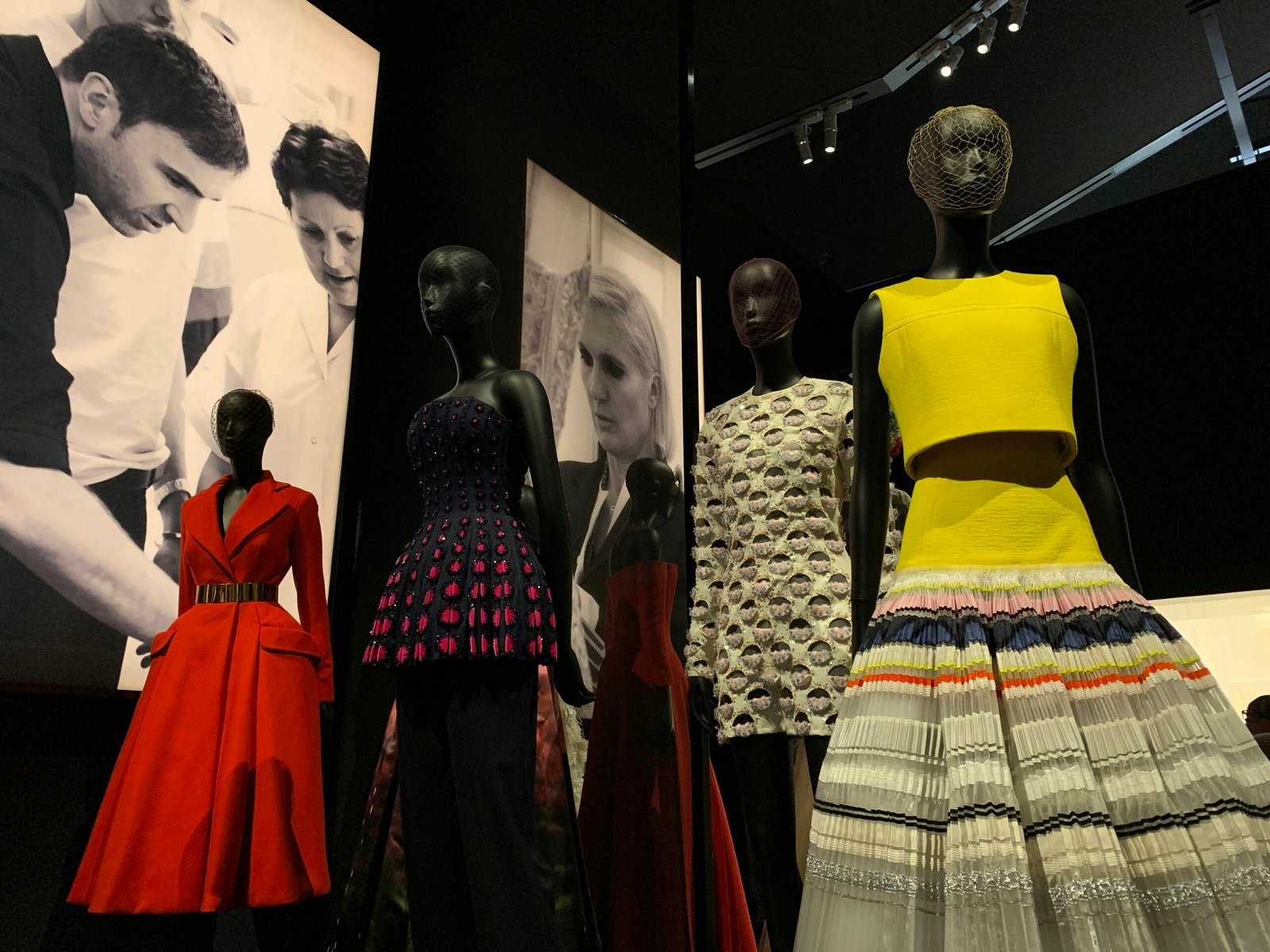
Another brand that commands respect in the fashion world is Dior. With a rich history rooted in haute couture, Dior’s dress collections exemplify femininity and grace. The brand frequently introduces innovative silhouettes and intricate detailing, making it a favorite among celebrities and fashion influencers alike. Dior’s ability to blend tradition with modern aesthetics continues to captivate enthusiasts of fashion dresses.
Zara, on the other end of the spectrum, has made a name for itself in the fast fashion domain. By offering trendy and affordable dresses, Zara appeals to a younger audience eager to keep up with the latest styles. The brand’s ability to quickly adapt to fashion trends has earned it a loyal customer base, making it a go-to for trendy dresses that won’t break the bank. Zara’s unique selling point lies in its speed, bringing runway-inspired designs to the mass market in record time.
Lastly, brands like Alexander McQueen and Oscar de la Renta have also carved out their niches with distinct styles that showcase artistic flair and rich narratives. Alexander McQueen is known for its avant-garde and dramatic designs, while Oscar de la Renta focuses more on romantic and elegant dresses. Together, these brands represent the diversity and creativity that define the world of fashion dresses.
Styling Tips for Dresses
Dresses offer an incredible opportunity for self-expression, but styling them appropriately can elevate any outfit to a new level. Understanding how to accessorize, layer, and choose footwear is essential for creating a polished look. To begin with, accessorizing plays a crucial role in completing a dress ensemble. For casual dresses, consider adding a belt to emphasize the waistline or layering with a denim jacket for a laid-back vibe. Statement jewelry, such as oversized earrings or a chunky necklace, can also enhance the visual appeal, making the outfit compelling without overwhelming it.
Layering is another technique that enhances versatility. For instance, a fitted turtleneck worn under a sleeveless dress can transform a summer piece into a winter-ready outfit. In chilly weather, you might opt for a tailored blazer or cardigan over a midi dress to maintain warmth while looking chic. Mixing textures is equally important; pairing a silk dress with a cotton or wool sweater creates a dynamic contrast that adds depth to your style. When it comes to colors, complementary shades can create a harmonious look while contrasting hues can add excitement and interest.
Sustainable Fashion: Eco-Friendly Dress Options
The fashion industry has increasingly been scrutinized for its environmental impact, leading to a noticeable shift towards sustainable practices. As a result, eco-friendly dress options have gained significant popularity among consumers who prioritize sustainability in their fashion choices. This paradigm shift is not merely a trend but a necessary response to the mounting evidence of climate change and the broader demand for ethical manufacturing processes.
Brands that emphasize sustainability often employ eco-conscious materials, such as organic cotton, TENCEL™, and recycled fabrics, which significantly reduce the carbon footprint associated with garment production. These materials not only lessen environmental damage but also offer consumers durable, high-quality clothing options. For instance, several brands are pioneering the use of plant-based dyes, minimizing water usage and chemical waste in their manufacturing processes.
In addition to material choice, sustainable brands focus on ethical labor practices, ensuring fair wages and safe working conditions for workers. By supporting such companies, consumers can actively participate in promoting a more humane fashion industry. Notable brands that have made significant strides in this area include Reformation, known for their stylish yet sustainable dresses, and Eileen Fisher, which emphasizes holistic approaches to sustainability through circular fashion initiatives.
As consumers become more educated about the fashion industry’s environmental and social implications, it is vital to encourage responsible choices. This can involve researching brands before purchase, supporting local designers who prioritize sustainability, or choosing second-hand options. By opting for eco-friendly dresses and supporting sustainable brands, individuals can contribute to a more responsible fashion landscape, ultimately fostering a positive impact on the planet.
Influencers and Dress Trends
In today’s digital age, social media influencers play a significant role in shaping fashion trends, particularly when it comes to dresses. Their ability to reach vast audiences through platforms such as Instagram, TikTok, and Pinterest has transformed them into powerful trendsetters. Many followers look to these influencers not just for style inspiration but also for validation of their own fashion choices.
Various influencers have emerged as leading voices in the fashion industry, showcasing a diverse range of dress styles that resonate with their followers. For example, influencers like Chiara Ferragni and Aimee Song have popularized chic and sophisticated looks that often feature elegant evening gowns or tailored pieces. Their unique styles often combine high-end fashion with accessible options, encouraging their audiences to experiment with different dress silhouettes.
Another influential figure, Danielle Peazer, leans towards bohemian styles, promoting flowy maxi dresses and vibrant prints that inspire a relaxed yet fashionable lifestyle. This contrast in dress styles amongst influencers highlights the wide array of choices available to consumers and how these choices reflect personal taste and lifestyle. Furthermore, influencers often collaborate with fashion brands to create capsule collections that showcase their favorite pieces, allowing them to further influence buying decisions.
Moreover, the rise of micro-influencers has democratized fashion even more. These individuals often cultivate niche followings, focusing on specific styles or themes. By doing so, they introduce unique dress trends that might not be featured in mainstream fashion media. Ultimately, the collective impact of influencers is significant, as they continually redefine fashion norms and encourage followers to embrace their unique style through various dress trends. As these trends evolve, they highlight the dynamic relationship between social media and fashion, shaping the dress choices of a new generation.
Conclusion: Dress Styles That Define You
Choosing the right dress can significantly influence how an individual expresses their personality and taste. Each dress style offers a unique way to communicate one’s identity, emotions, and lifestyle preferences. Whether opting for a classic little black dress, a flowing maxi dress, or a contemporary wrap dress, the selection process involves deeper considerations extending beyond aesthetic appeal. It is about understanding which styles resonate personally and align with one’s values and preferences.
The diversity within the fashion world allows individuals to explore myriad options, catering to various occasions, moods, and cultural influences. Embracing different dress styles can empower one to showcase their uniqueness while also adapting to evolving trends and seasons. Fashion is not merely about following trends; it is an opportunity for self-exploration and creativity. Each garment tells a story, representing the wearer’s journey and experiences.
Additionally, considering the significance of sustainable fashion is increasingly vital in today’s consumer climate. Selecting ethically produced dresses from reputable brands can reflect a commitment to social responsibility while enhancing individual style. Participating in fashion sustainably not only contributes to a healthier planet but also influences personal expression through informed choices. Readers should delve into the extensive array of brands that prioritize ethical practices, thus aligning their fashion choices with their values.
In conclusion, the right dress can serve as a powerful tool for self-expression, allowing individuals to not just look good but feel confident and authentic. The fashion world is rich with opportunities for exploration, and embracing one’s distinct style can lead to profound satisfaction and joy. Encouraging readers to navigate through different styles and brands will undoubtedly lead them to find dresses that not only highlight their personality but also celebrate their individuality.