Ismail Junior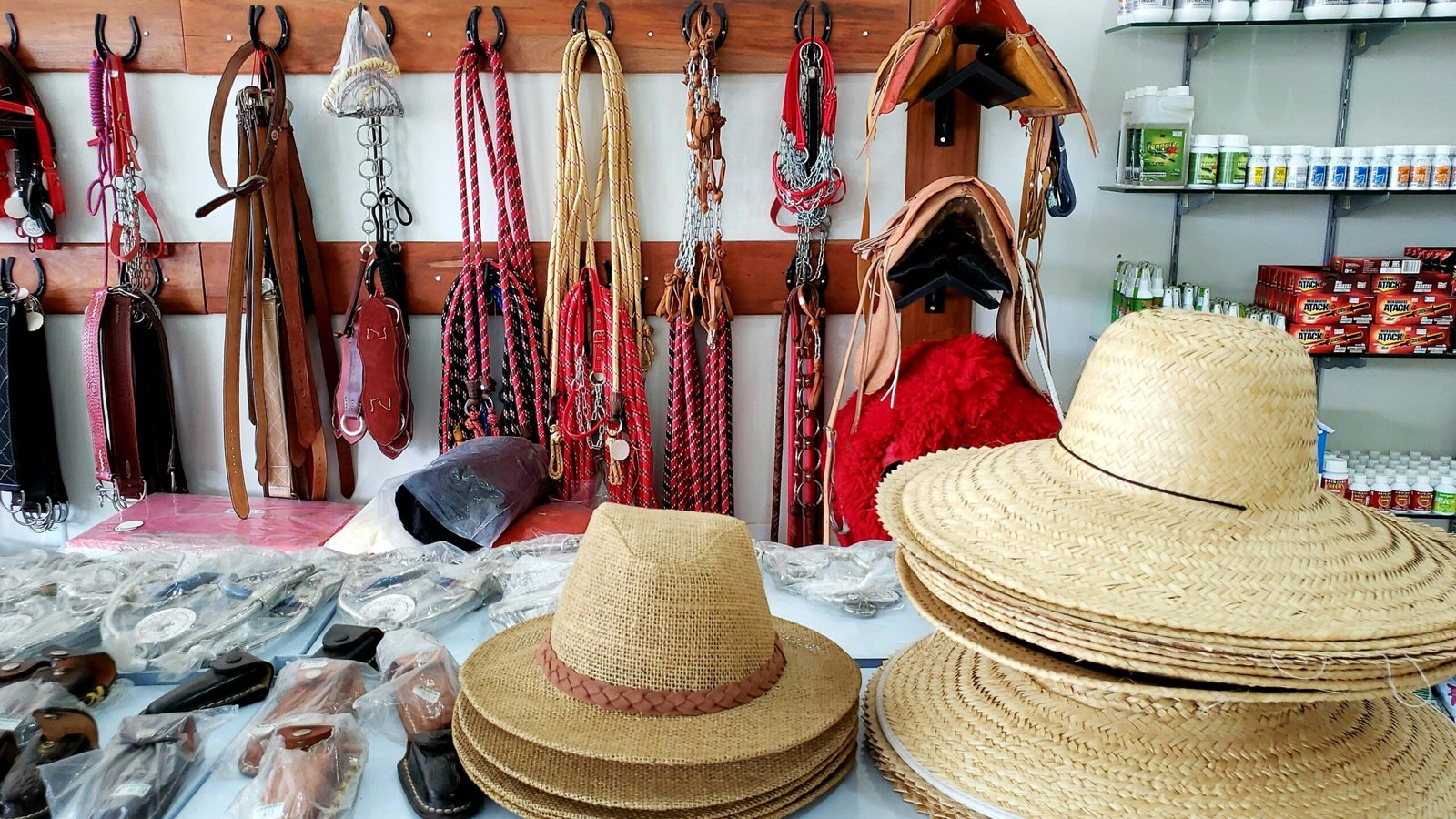
Introduction to Western Tack Equipment
Western tack equipment plays an essential role in the realm of equestrian activities, particularly in Western riding disciplines. The term ‘tack’ refers to the specialized gear and equipment used to ride and control a horse, encompassing various items that contribute significantly to both the rider’s experience and the horse’s comfort. Among the most important elements of western tack are saddles and bridles, which serve critical roles in facilitating communication between horse and rider while ensuring safety and functionality.
Western saddles are distinct in their design, characterized by a deep seat and a prominent horn, which offers leverage for riders during roping and cattle work. This type of saddle is crafted to distribute the rider’s weight evenly across the horse’s back, providing both comfort and stability during long rides. In addition to traditional saddles, specialized options exist such as barrel racing saddles, roping saddles, and trail saddles, each tailored to specific riding activities and preferences.
Bridles are another crucial component of western tack. They serve as the primary means of communication with the horse, allowing the rider to exert control and direction through reins attached to the bit. Western bridles typically feature a combination of leather or nylon components, offering varied styles and functionality suited to the rider’s needs. Additionally, the choice of bit used in a bridle can greatly influence a horse’s behavior and responsiveness.
In addition to saddles and bridles, other essential tack items include girths, cinches, and saddle blankets, all of which contribute to the overall comfort and effectiveness of the riding experience. Girths and cinches secure the saddle in place, while saddle blankets enhance comfort and protect the horse’s back from friction. The thoughtful selection and maintenance of western tack equipment are vital for ensuring a positive and rewarding partnership between horse and rider.
Cowgirl Fashion Accessories: Adding Flair to the Outfit
Cowgirl fashion is not solely defined by denim jeans and cowboy boots; it is significantly enhanced by a well-curated selection of accessories. These accessories are indispensable for completing the look of any cowgirl, contributing both practicality and aesthetic flair. Key accessories include belts, hats, and jewelry, each playing a vital role in defining the style and individuality of the wearer.
Belts are essential in cowgirl attire. A sturdy leather belt, often adorned with intricate buckles, not only serves its purpose to hold up pants but also acts as a statement piece that can elevate an outfit. The choice of a vibrant or embellished belt can add a pop of color or a touch of personality, showcasing the wearer’s style preferences. Additionally, belts come in a variety of widths and designs, allowing for a perfect match to diverse outfits.
Hats are quintessential to Western fashion. The classic cowboy hat is a symbol of the cowgirl aesthetic, crafted from materials such as felt or straw. This accessory not only protects against the sun but also adds an air of confidence and character. Embellishments like feathers, ribbons, or decorative bands can further personalize the hat, making it a unique expression of the wearer’s style. In contemporary fashion, the hat can transition seamlessly from ranch to runway, illustrating its versatility.
Jewelry also plays a pivotal role in cowgirl fashion. From silver turquoise pieces to leather bracelets, accessories can complement the ruggedness of Western wear while adding a touch of elegance. Layering necklaces and stacking rings can create a bohemian twist, perfect for those looking to blend traditional and modern styles. The choice of jewelry reflects personal taste and can transform a simple outfit into something remarkable.
In conclusion, cowgirl fashion accessories such as belts, hats, and jewelry are fundamental in enhancing and personalizing Western wear. Their diverse functions and styles allow for endless combinations, ensuring that every cowgirl can express her individuality through her outfit.
Understanding Western Horse Tack
Western horse tack refers to the special equipment used in horseback riding and includes a variety of components, each serving a specific purpose. Understanding these components is essential for riders wishing to ensure both optimal performance and comfort for their horses. The most prominent piece of western tack is the saddle, which comes in numerous styles tailored to different riding disciplines. The western saddle is characterized by a deep seat, high cantle, and large horn, making it particularly advantageous for activities such as roping and trail riding.
Another crucial element of western tack is the bridle, which includes the bit and reins. The bridle is designed to control the horse efficiently, with the bit serving as a communication tool between the rider and the horse. Western bits come in various designs, each impacting the horse’s response differently. Riders must choose the right bit based on the horse’s level of training and temperament, ensuring both effectiveness and comfort.
In addition to saddles and bridles, saddlebags offer practicality for long rides, allowing riders to carry essential items such as water, snacks, or first-aid supplies. These bags are often made from durable materials to withstand the conditions of outdoor riding. Another component to consider are the reins, which come in varying lengths and materials. A good set of reins enhances control and is essential for effective communication between rider and horse.
Choosing the right western tack requires careful consideration of the horse’s needs, the rider’s comfort, and the specific type of riding being done. Riders should ensure that all components fit properly, as ill-fitting tack can lead to discomfort or injury. Thus, when selecting western horse tack, it is essential to understand each component’s role, the horse’s requirements, and the rider’s preferences to create a harmonious riding experience.
Western Wear for Riders: Function Meets Fashion
When it comes to horseback riding, the right western wear is essential for ensuring both comfort and style. Riders often face a unique set of demands, necessitating clothing that can withstand the rigors of riding while also projecting a sense of personal style. Essential elements of a rider’s wardrobe include shirts, jeans, boots, and outerwear, all designed with functionality as a primary focus.
Starting with shirts, western styles often feature durable materials that allow for flexibility and breathability. Long-sleeved button-down shirts, often adorned with traditional patterns, provide excellent sun protection while allowing for a full range of movement. Modern fabric technology has introduced moisture-wicking options that add a layer of comfort, making these shirts suitable for prolonged wear in various weather conditions. Additionally, the designs often incorporate western motifs, contributing to an authentic riding aesthetic.
Jeans are another cornerstone of western wear designed for riders. Unlike standard denim, riding jeans are constructed with reinforced stitching and added stretch to accommodate the different demands of the saddle. Many brands offer styles that are tailored to fit well whether on horseback or off, ensuring that riders can seamlessly transition from the saddle to social settings without sacrificing style or comfort.
Boots are integral to a complete riding outfit, serving both functional and stylistic purposes. Western boots typically feature a high shaft to protect the legs and a specific heel that prevents slipping in the stirrups. Various materials, including leather and synthetic options, are available to cater to individual preferences. Riders often choose boots adorned with intricate designs that showcase craftsmanship, allowing for personalization.
Lastly, outerwear is critical for adapting to changing weather conditions. Vests and jackets designed for riders often include features such as water-resistant materials and additional pockets for convenience. These garments are crafted to balance protection against the elements while maintaining a stylish look that is synonymous with western fashion.
In conclusion, western wear for riders embodies the perfect balance of function and fashion, ensuring that riders can perform optimally while expressing their unique style. The thoughtful design of clothing items—from shirts and jeans to boots and outerwear—facilitates an exceptional riding experience that is both practical and visually appealing.
Rodeo Fashion Trends: The Evolution of Style
Rodeo fashion has undergone significant transformation over the decades, reflecting broader cultural shifts and the influence of popular media. Traditionally, rodeo attire was primarily practical, designed to provide comfort and utility for cowboys and cowgirls engaged in competitive events. Key elements such as denim jeans, cowboy boots, wide-brimmed hats, and Western shirts were staples that signified a rugged, outdoorsy lifestyle. However, as rodeo gained increased visibility through television, movies, and celebrity endorsements, the fashion associated with it began to evolve dramatically.
In recent years, the intersection of rodeo culture and mainstream fashion has led to the incorporation of bolder designs, bright colors, and innovative fabrics. Celebrities such as Blake Shelton and Miranda Lambert have played a pivotal role in popularizing modern Western style, showcasing attire that combines traditional elements with contemporary trends. This fusion has resulted in a style that captures attention both in and out of the rodeo arena, appealing to a broader audience that appreciates the aesthetic without necessarily participating in the sport.
Additionally, the influence of social media platforms, especially Instagram and TikTok, has accelerated the acceptance and dissemination of new rodeo fashion trends. Influencers donning chic outfits that feature cowboy hats, frayed jeans, and statement belt buckles have propelled rodeo style into everyday fashion conversations. Traditional components of rodeo dress are still prevalent, but they are being reimagined. For instance, fringe detailing, vibrant embroideries, and unique accessories transform classic pieces into stylish statements.
In conclusion, rodeo fashion has evolved significantly, maintaining its roots while embracing modern influences. The blend of tradition and contemporary flair not only honors the heritage of rodeo culture but also makes it relevant in today’s fashion landscape. As trends continue to change, the rodeo style remains an enduring emblem of both pride and progress in Western fashion.
Custom Leather Horse Tack: Personalization in Equestrian Gear
In recent years, custom leather horse tack has gained a significant foothold in the equestrian community, becoming a popular choice for riders seeking a blend of functionality and personal expression. This shift towards personalized gear allows riders to showcase their individuality while ensuring their equipment meets specific performance needs. Whether it is a saddle, bridle, or reins, customizing leather horse tack lends a unique identity to each piece, setting it apart from mass-produced alternatives.
One of the most compelling benefits of custom leather horse tack is the wide array of personalization options available. Riders can choose from various colors, styles, and embellishments, such as added stitching, monograms, or engraved metal hardware. This personal touch not only speaks volumes about the rider’s taste but also enhances the bond between horse and rider. A well-designed piece of tack that resonates with its owner can help establish a deeper connection during training and competition.
Furthermore, the craftsmanship involved in creating bespoke leather horse tack cannot be overstated. Quality craftsmanship ensures that each piece is not only aesthetically pleasing but also durable and functional. Artisans skilled in their trade pay close attention to detail, using premium materials that withstand the rigors of daily use. The combination of personalized design and exceptional quality sets custom leather tack apart, providing both practicality and beauty to the equestrian experience.
In the competitive equestrian arena, having custom gear can also boost a rider’s confidence. Knowing that their tack reflects their personality and style can foster a sense of pride and ownership, contributing to a heightened performance level. Overall, the trend towards custom leather horse tack encapsulates a broader movement within equestrianism, where personalization meets artistry, creating not just equipment, but a true extension of the rider.
The Importance of Quality in Western Tack
Selecting high-quality western tack is crucial for both the performance of the horse and the safety of the rider. Western tack includes a range of equipment such as saddles, bridles, and saddle pads, all of which play an essential role in riding and handling. When choosing tack, the quality of materials and craftsmanship can significantly impact how effectively a rider can communicate with their horse. High-quality tack allows for better adjustability and comfort, which is vital for a successful riding experience.
The longevity of western tack is another critical factor that highlights the importance of quality. Investing in durable materials means that the tack will endure the wear and tear of regular use, thus saving money in the long run. Cheaper tack may seem appealing initially, but it often lacks the necessary durability and may require frequent replacements. This not only incurs additional costs but can also lead to the use of subpar equipment that compromises the riding experience.
Safety is a paramount concern in equestrian activities. Inferior quality tack can break or malfunction, posing risks to both horse and rider. When tack is made with quality materials, it can provide a reliable support system, enhancing overall safety during rides. It is essential to inspect the stitching, hardware, and the longevity of the materials used when purchasing western tack. Always opt for products from reputable brands known for their dedication to craftsmanship and quality.
To identify durable materials in western tack, one should look for leather that has a rich texture and thick fibers instead of synthetic alternatives that may not withstand the rigors of regular use. Moreover, checking for secure stitching and robust buckles can help ensure the tack is functional and reliable. By prioritizing quality in western tack selection, riders can enhance their experience, ensuring both performance and safety in their equestrian pursuits.
Seasonal Western Fashion: Adapting to the Weather
Western fashion has significantly evolved to cater to the needs of farmers and riders, especially when it comes to adapting attire to various seasonal demands. Understanding how to dress appropriately for different climates not only enhances comfort but also preserves the stylish essence of Western wear. In colder months, layering becomes a crucial strategy. Riders typically start with a base layer made from moisture-wicking fabrics, which helps to maintain body heat while drawing sweat away from the skin. Common choices include thermal tops that pair well with flannel shirts, providing a blend of warmth and classic Western aesthetics. The outer layer often consists of rugged jackets or vests made from durable materials like leather or canvas, ensuring protection against harsh winds and occasional rain.
As temperatures rise in summer, the focus shifts to breathability and lightness in fabric. Cotton and linen emerge as favored choices due to their airflow properties, helping to keep wearers cool. Short-sleeved shirts or blouses, combined with cropped jeans or shorts, allow riders to maintain their Western flair without overheating. Accessories also play an essential role during warmer months; wide-brimmed hats not only provide sun protection but also complement the Western theme beautifully.
In transitioning seasons, such as spring and fall, versatility remains key. The strategic layering previously mentioned can be adjusted as temperatures fluctuate throughout the day. A light cardigan or a denim jacket can be easily added or removed, while water-resistant outerwear ensures that riders are prepared for unexpected weather changes. By effectively adapting their wardrobe, farmers and riders can enjoy comfort and functionality while presenting a fashionable Western appearance across all seasons.
Conclusion: Embracing the Western Lifestyle
Throughout this exploration of Western style, we have delved into the intricate relationship between tack, fashion, and the broader trends that permeate the equestrian community. Western lifestyle is not merely about the clothing or the equipment; it encapsulates a way of being that is deeply rooted in authenticity, heritage, and a passion for horsemanship. The unique appeal of Western fashion lies in its ability to blend functionality with aesthetic charm, allowing equestrians to express their individuality while participating in the rich traditions of the West.
As we examined various elements of tack, it became evident that these tools are not only essential for riding but also play a pivotal role in showcasing personal style. From intricately designed saddles to handcrafted bridles, each piece of equipment tells a story and reflects the unique history of Western culture. The choice of tack, much like fashion, can indicate not just practicality but also the rider’s commitment to the lifestyle and their connection to the equine world.
Moreover, embracing the Western lifestyle encourages individuals to explore their personal style. It invites experimentation with different pieces, patterns, and combinations that resonate personally and function efficiently in the saddle. Whether one leans towards traditional cowboy attire or modern interpretations influenced by current trends, what matters most is the authenticity behind those choices. By finding the right balance between modernity and tradition, riders can enhance their Western experience while making a statement about who they are.
In sum, embracing the Western lifestyle is about more than just the outward appearance; it is a celebration of shared values, stories, and the passionate community of equestrians. Readers are encouraged to engage with their own sartorial choices, fostering a genuine connection to the Western experience.