Ismail Junior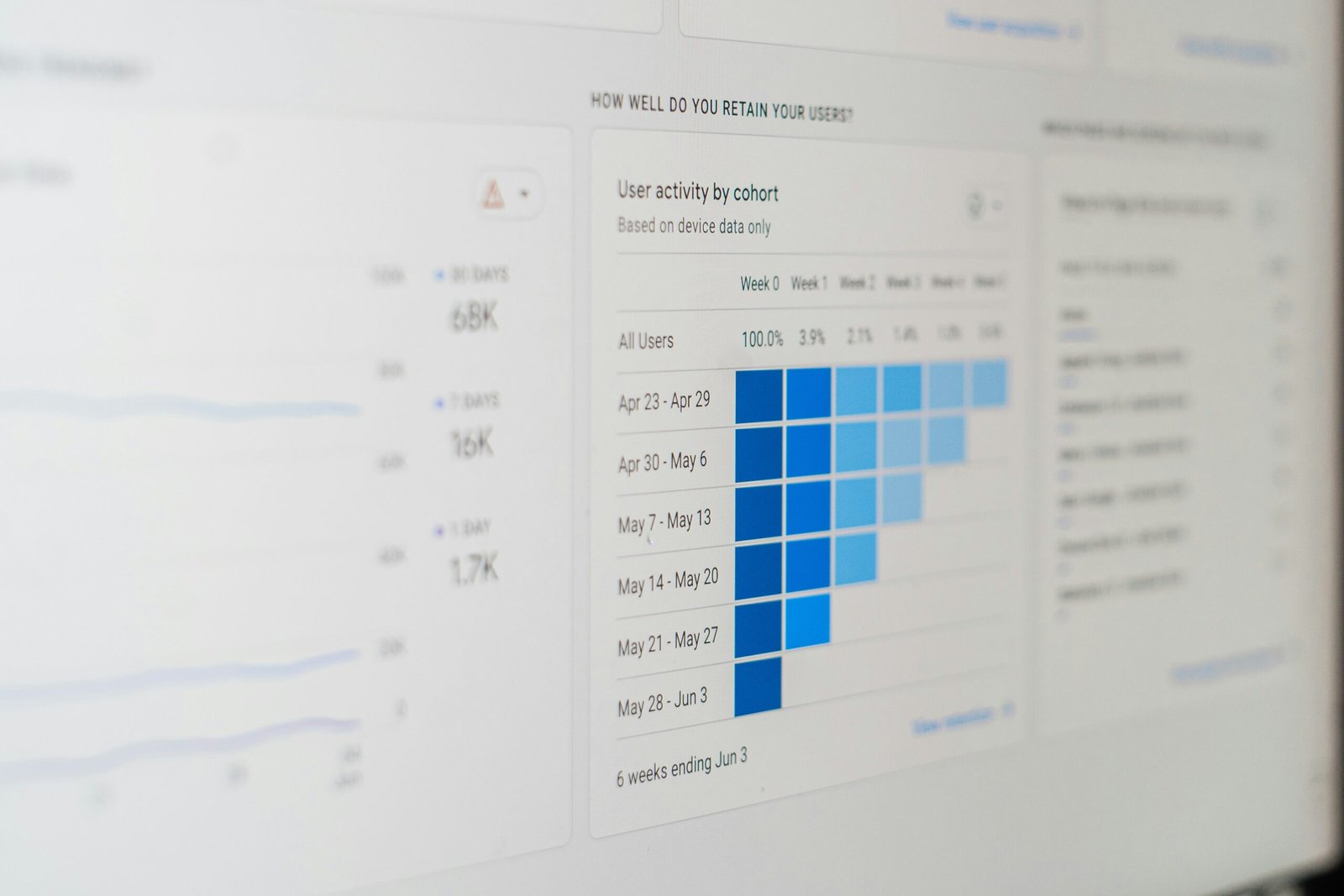
Understanding Customer Churn
Customer churn, often referred to as customer attrition, denotes the loss of clients or subscribers by a business over a given period. For Software as a Service (SaaS) companies, understanding customer churn is critical, as it directly impacts revenue and long-term growth. A high churn rate can signal serious issues within the product or customer experience, leading businesses to analyze various factors to mitigate the impact.
The significance of monitoring customer churn cannot be overstated. In the SaaS landscape, average churn rates hover between 5% and 7% monthly, but they can vary significantly based on factors such as industry, customer type, and market maturity. For instance, enterprises may experience lower churn rates compared to startups, which typically see higher turnover as they refine their offerings. Consequently, recognizing the nuances of customer behavior and why clients leave is paramount for any SaaS enterprise aiming to retain its competitive edge.
Common reasons for customer turnover include dissatisfaction with product features, inadequate customer support, pricing concerns, or competitors offering superior solutions. Often, a lack of proper onboarding or engagement strategies exacerbates these issues, resulting in clients feeling disconnected or undervalued. Furthermore, negative experiences, such as frequent downtime or bugs, can contribute significantly to churn.
The financial implications of customer churn are profound. Losing a single customer may lead to a decrease in recurring revenue, but an organization’s reputation can also suffer. Over time, persistent churn may hinder growth potential, diminishing brand loyalty and creating a cycle that is hard to break. SaaS businesses must therefore prioritize understanding the root causes of churn and implement effective strategies to enhance customer retention.
The Role of AI in Churn Prediction
Artificial Intelligence (AI) has become an indispensable tool in predicting customer churn, particularly within the Software as a Service (SaaS) sector. By leveraging machine learning algorithms, organizations can analyze vast datasets to identify patterns and predict customer behavior effectively. This capability allows businesses to proactively address potential churn, optimizing their customer retention strategies.
Machine learning, a subset of AI, employs various algorithms to scrutinize historical customer data. Techniques such as regression analysis, decision trees, and neural networks provide insights into factors that contribute to customer dissatisfaction. For instance, a decision tree might reveal that customers who experience frequent technical issues are at a higher risk of unsubscribing. Such predictive analytics can be invaluable for developing targeted interventions to enhance customer satisfaction and loyalty.
Compared to traditional churn prediction methods that often rely on static metrics and heuristic evaluations, AI can dynamically adapt to new data and evolving customer behaviors. This adaptability is a significant advantage, as it enables businesses to stay current with shifting customer preferences. Additionally, AI-driven models often yield more accurate forecasts, allowing businesses to allocate resources more efficiently towards customer retention efforts.
Several companies have successfully implemented AI for churn prediction, showcasing its potential to enhance business performance. For instance, a leading telecom provider utilized machine learning algorithms to analyze customer usage patterns and identify those at risk of cancellation. By proactively engaging these customers with personalized offers and improved service options, the company significantly reduced its churn rate.
In sum, the integration of AI and machine learning into churn prediction processes is revolutionizing how SaaS companies manage customer relationships. By utilizing these advanced technologies, businesses can not only anticipate customer churn but also implement timely solutions that foster long-term customer loyalty.
Key Predictive Analytics Techniques for Churn Prediction
Predictive analytics plays a pivotal role in identifying patterns that indicate potential customer churn in Software as a Service (SaaS) businesses. Understanding the various techniques available can aid organizations in developing effective strategies to retain customers. This section will explore three such methods: logistic regression, decision trees, and neural networks.
Logistic regression is one of the most commonly employed techniques for churn prediction. This statistical method is essential for estimating the probability of a certain outcome, such as customer retention or defection. By analyzing historical data and customer features, logistic regression can help determine which factors contribute significantly to churn. The model produces a logistic function that outputs probabilities, making it easy to classify customers into “at risk” or “not at risk” categories.
Decision trees are another powerful tool for analyzing customer behavior. This method relies on a tree-like model of decisions, where each node represents a choice based on customer attributes. By visualizing the pathway that leads to churn, businesses can gain insights into the characteristics of customers likely to leave and implement targeted retention strategies. Decision trees are particularly valuable because they are easy for stakeholders to understand and interpret.
Neural networks, particularly deep learning models, have gained popularity for churn prediction due to their ability to learn complex patterns in large datasets. These models excel in identifying nonlinear relationships between customer behaviors and churn outcomes. By using multiple layers to process inputs, neural networks can uncover hidden interactions between variables that traditional methods might overlook, leading to more accurate churn predictions.
In summary, employing a combination of these predictive analytics techniques can empower SaaS companies to effectively assess churn risk and enhance customer retention strategies. Each method offers unique advantages that can be tailored to meet the specific needs of the organization.
The Importance of Customer Retention Tools in SaaS
In the competitive landscape of Software as a Service (SaaS), customer retention has emerged as a critical facet of business strategy. The importance of customer retention tools cannot be overstated, as they play a vital role in mitigating churn and fostering long-term customer loyalty. With the increasing cost of acquiring new customers, retaining existing ones has become not just beneficial but essential for sustainable growth.
AI-driven customer retention tools leverage data analytics and machine learning algorithms to identify patterns and predict user behavior. These tools enable SaaS companies to intervene proactively, developing customized strategies that resonate with their user base. For instance, companies like Gainsight utilize predictive analytics to highlight at-risk customers, allowing account managers to engage them before they decide to disengage. This not only enhances customer experience but also improves retention metrics significantly.
Additionally, sophisticated customer relationship management (CRM) systems like HubSpot or Salesforce integrate AI capabilities to track customer interactions and feedback. This data is crucial for identifying pain points within the user journey. By analyzing customer behaviors and sentiments, these platforms empower teams to make informed decisions aimed at increasing satisfaction and loyalty.
Real-world case studies demonstrate the effectiveness of these tools. For example, a SaaS company specializing in project management saw a 25% reduction in churn rates after implementing an AI-powered customer retention tool. They utilized advanced segmentation strategies that allowed targeted communication based on user behavior. This tailored approach led to enhanced engagement and a noticeable uptick in customer satisfaction ratings.
In essence, the deployment of customer retention tools powered by AI is instrumental in achieving remarkable improvements in retention rates and overall customer loyalty within the SaaS sector.
Building a Churn Prediction Model with Machine Learning
In the pursuit of reducing customer churn in SaaS, building an effective churn prediction model using machine learning is essential. This process begins with data collection, where organizations should gather historical data related to customer interactions, behaviors, and characteristics. Key data points may include usage patterns, subscription information, customer support interactions, and demographic data. Ensuring the quality and completeness of this data is paramount, as the model’s accuracy hinges on the input data’s reliability.
After accumulating the necessary data, the next step includes feature selection. This step involves identifying which variables are most indicative of churn. For instance, variables like the frequency of product use, duration of subscription, and engagement with customer support should be carefully evaluated. Domain knowledge can significantly aid in this selection process, as industry-specific insights will help in recognizing patterns that are indicative of customer retention or attrition.
Once the relevant features are selected, the model-building phase begins. Various machine learning algorithms can be employed for churn prediction, including logistic regression, decision trees, and random forests. Each algorithm has its strengths and should be chosen based on the specific characteristics of the data set and the prediction goals. It is important to train the model using a sufficient amount of past data to ensure it can learn the underlying patterns effectively.
Lastly, validation techniques must be applied to evaluate the model’s performance. This usually involves dividing the data into training and testing sets, using cross-validation techniques to minimize overfitting. Metrics such as accuracy, precision, and recall can provide insight into how well the model is performing and its operational effectiveness in predicting churn. A model that is well-validated and fine-tuned can serve as a valuable tool for making informed decisions aimed at customer retention.
Analyzing Customer Behavior for Effective Churn Prevention
Understanding customer behavior is paramount for any Software as a Service (SaaS) company aiming to minimize churn rates. Leveraging artificial intelligence (AI) enables organizations to unearth critical insights into user interactions and feedback, fostering robust strategies for customer retention. Both qualitative and quantitative analyses play significant roles in this process.
From a quantitative perspective, user interaction data is pivotal. Analyzing metrics such as active usage frequency, feature engagement levels, and customer journey mapping allows SaaS companies to identify patterns that may predict churn. For instance, a sudden drop in usage or a shift in engagement with certain features can indicate diminishing interest. Advanced analytics tools powered by machine learning can continuously monitor these metrics, providing predictive insights that alert businesses to potential churn risks before they escalate.
On the qualitative side, gathering user feedback through surveys, interviews, and social media interactions offers valuable context behind user behavior. AI can assist in sentiment analysis, helping companies interpret customer opinions and feelings towards their services. By analyzing feedback data, businesses can pinpoint specific areas for improvement that directly influence customer satisfaction. For example, if multiple users voice concerns regarding a particular feature, proactive adjustments can be made to enhance usability and overall satisfaction.
Integrating these insights into a unified customer retention strategy requires collaboration across departments. Customer support teams, marketing, and product development should work in tandem, utilizing data-driven findings to inform strategies that enhance user experience. Ultimately, a comprehensive understanding of customer behavior, informed by AI, not only helps to identify and mitigate churn risks but also paves the way for sustained growth and customer loyalty.
Leveraging AI for Enhanced Customer Loyalty
In today’s competitive landscape, ensuring customer loyalty is paramount for the success of any Software as a Service (SaaS) business. Artificial Intelligence (AI) plays a significant role in not only retaining customers but also fostering long-lasting relationships. One of the most effective AI-driven strategies is through personalized communication. By utilizing machine learning algorithms, companies can analyze customer behavior and preferences, allowing them to tailor messages and interactions that resonate with each individual. This personalized approach enhances user engagement, making customers feel valued and understood.
Additionally, AI can facilitate the delivery of targeted offers based on customer data. For example, by analyzing past purchase history and user activity, businesses can predict which features or services are most likely to appeal to specific customers. Providing relevant and timely offers can significantly increase customer satisfaction and encourage users to stay loyal to a brand. This strategic use of AI not only benefits consumers but also optimizes marketing efforts, leading to higher conversion rates and improved retention.
Another key aspect of leveraging AI for customer loyalty is the implementation of customer feedback loops. With advanced natural language processing capabilities, businesses can continuously gather and analyze feedback from various touchpoints, such as surveys, social media, and customer support interactions. By understanding what drives customer satisfaction and areas that require improvement, organizations can make informed decisions to enhance their offerings. This responsive approach demonstrates to customers that their input is valued, thereby fostering trust and loyalty towards the brand.
Overall, the integration of AI into customer loyalty strategies can lead to reduced churn rates. By focusing on personalized communications, targeted offers, and continuous feedback loops, SaaS businesses can create a more engaging and fulfilling customer experience that keeps users coming back.
Top Churn Analysis Tools and Software for SaaS Businesses
In the competitive landscape of Software as a Service (SaaS), retaining customers is as critical as acquiring new ones. To effectively manage churn, businesses can turn to various churn analysis tools designed to predict and mitigate customer attrition.
One of the most recognized tools is Gainsight. Gainsight offers advanced customer success management features, including churn prediction through behavioral analytics. It empowers businesses to gather insights from customer interactions, enabling them to proactively address potential churn risks. The software is suited for medium to large SaaS companies seeking comprehensive customer health management.
Another notable tool is ChartMogul, which specializes in subscription analytics. It provides detailed insights into metrics such as monthly recurring revenue (MRR) and churn rate, allowing companies to visualize how different factors contribute to customer attrition. ChartMogul is particularly beneficial for startups and smaller SaaS businesses looking for straightforward yet powerful analytics solutions.
Mixpanel stands out as a user behavior analytics platform that focuses on tracking user interactions with the software. By understanding how customers engage with the service, SaaS businesses can identify warning signs of churn and take timely action. Mixpanel is ideal for companies that prioritize data-driven decision-making and require deep insights into user engagement.
Lastly, Retently is designed for measuring customer satisfaction through Net Promoter Score (NPS). It helps SaaS businesses assess customer sentiment and promptly address any concerns that may lead to churn. Retently is valuable for any SaaS company that emphasizes customer feedback and satisfaction in their retention strategies.
In conclusion, selecting the right churn analysis tool can significantly influence a SaaS business’s ability to minimize customer attrition. Each software solution offers unique features aligned with different business needs, making it essential to assess their capabilities thoroughly before integration.
The Future of Churn Prediction in the SaaS Landscape
As we assess the pivotal role that artificial intelligence (AI) plays in churn prediction within the Software as a Service (SaaS) sector, it becomes evident that its integration is no longer a mere advantage but a necessity for organizations eager to thrive. The discussed methodologies illustrate that AI-driven analytics enable businesses to accurately forecast customer behavior, thereby allowing for proactive retention strategies. By leveraging these insights, companies can enhance customer satisfaction, reduce churn rates, and ultimately drive increased revenue.
The continuous advancements in AI technology promise to bring forth more sophisticated tools for churn prediction, enhancing predictive accuracy and enabling deeper insights into customer behavior. Machine learning algorithms will likely evolve, offering even more personalized interactions. These advancements will empower businesses toidentify at-risk customers sooner and tailor interventions that resonate with their unique needs.
In this ever-competitive SaaS landscape, the emphasis on customer retention analytics cannot be overstated. Organizations that prioritize understanding their customers through predictive analytics are expected to gain a distinct competitive edge. As AI becomes further embedded in the analytics ecosystem, its capability to manage vast datasets and discern intricate patterns will redefine customer engagement strategies.
All in all, the future of churn prediction in SaaS will be marked by significant enhancements in AI technologies that facilitate better decision-making processes. With a focus on real-time data analysis and improved user experience, the landscape will continue to evolve. Organizations that harness this transformative power will be better positioned to not only retain customers but also foster long-lasting relationships. Embracing AI in churn prediction is thus critical for sustainable growth and innovation in today’s SaaS environment.